Downtown Miami Community Guide
Miami-Dade Community Guide

Downtown Miami, FloridaReal Estate & Community Guide

Iconic Skyline. Waterfront Living. The Heart of Modern Miami.

Discover Downtown Miami, one of South Florida's most exciting urban neighborhoods, where waterfront condominium towers, cultural landmarks, world-class entertainment, and the energy of city living come together.

City of Miami North of the Miami River Along Biscayne Bay Metromover · Metrorail · Brightline
OverviewWelcome to Downtown

Located along Biscayne Bay and the Miami River, Downtown Miami offers a distinctive urban lifestyle shaped by modern architecture, historic buildings, waterfront parks, museums, restaurants, and major transportation connections.

From luxury high-rise condominiums overlooking Biscayne Bay to contemporary residences near Bayfront Park and the Miami Worldcenter district, Downtown Miami provides a variety of residential opportunities.

As Miami's historic commercial and civic center, the neighborhood continues to evolve through residential development, cultural investment, and improvements to its public spaces.

Whether you're exploring Downtown Miami real estate, searching for a waterfront condominium, relocating to South Florida, or considering selling your property, this guide provides insights into the neighborhood's housing market, lifestyle, attractions, transportation, and important real estate considerations.

Welcome to Downtown Miami, Florida

A Neighborhood Where Waterfront Beauty and Urban Energy Meet

Located within the City of Miami, Downtown Miami is one of the region's primary business, cultural, entertainment, and residential centers.

The neighborhood sits along Biscayne Bay, north of the Miami River, and includes the city's historic central business district and surrounding urban areas.

Downtown Miami has played an important role in the city's development since the late nineteenth century. Its streets reflect different periods of Miami's history, from early commercial buildings and historic landmarks to modern residential skyscrapers and mixed-use developments.

Today, the area offers a distinctive combination of high-rise living, waterfront scenery, cultural attractions, restaurants, shopping, and professional services.

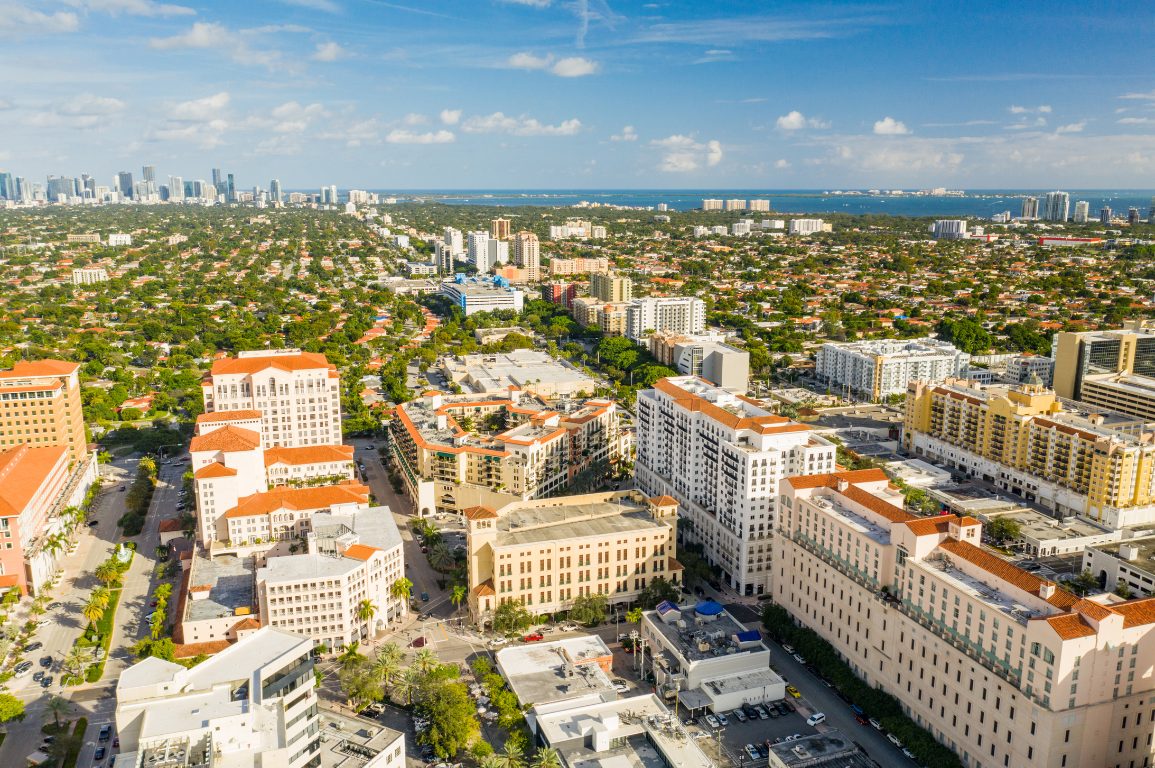
Unlike Miami-Dade County's primarily suburban communities, Downtown Miami is characterized by vertical residential development and a pedestrian-oriented urban environment. Condominium towers, office buildings, hotels, museums, entertainment venues, and public transportation stations are located throughout the district.

The neighborhood's location provides connections to Brickell, Wynwood, Edgewater, the Arts & Entertainment District, Miami Beach, Coconut Grove, and other destinations throughout Greater Miami.

For buyers researching what it's like to live in Downtown Miami, the neighborhood offers a combination of modern residential opportunities, cultural experiences, waterfront recreation, and convenient access to major city amenities.

1925Freedom Tower completed
≈ 32 acresBayfront Park on Biscayne Boulevard
FreeMetromover across the urban core
BrightlineIntercity rail at MiamiCentral
At a GlanceFour defining traits

What Makes Downtown Miami Distinctive?

High-Rise Living & Skyline Views

Explore modern condominiums, luxury residential towers, penthouses, and properties offering views of Biscayne Bay, the Miami River, and Miami's skyline.

Arts, Culture & Entertainment

Discover major museums, performing arts venues, professional basketball, concerts, festivals, and cultural attractions.

Waterfront Parks & Recreation

Enjoy Bayfront Park, Maurice A. Ferré Park, waterfront promenades, public art, and scenic views across Biscayne Bay.

Walkability & Regional Transportation

Access Metromover, Metrorail, Brightline, regional transit connections, and major transportation corridors.

LifestyleEveryday life Downtown

What Is It Like to Live in Downtown Miami?

An Urban Lifestyle Surrounded by Culture, Entertainment, and Waterfront Views

Living in Downtown Miami offers an experience centered around urban convenience, cultural opportunities, and access to major city destinations.

The neighborhood features modern residential towers, busy commercial streets, waterfront parks, restaurants, shopping areas, and entertainment venues.

Many residents can reach everyday destinations without traveling far from home. Depending on the building's location, restaurants, cafés, grocery stores, fitness facilities, public transportation, and cultural attractions may be within walking distance.

The experience may vary significantly between a condominium overlooking Biscayne Bay and a residence near major commercial streets.

Modern High-Rise Living

Downtown Miami is primarily known for its condominium residences and high-rise apartment buildings. Residential properties range from compact urban units to expansive luxury condominiums with panoramic city or waterfront views.

Many buildings offer shared amenities such as swimming pools, fitness centers, concierge services, security features, coworking spaces, and resident lounges. Amenities and monthly ownership expenses vary by building.

Waterfront Scenery

Downtown Miami's location along Biscayne Bay provides opportunities to enjoy waterfront views and outdoor recreation. Some condominium residences overlook the bay, PortMiami, nearby islands, or surrounding waterways.

Public waterfront parks and promenades provide additional spaces to walk, relax, and enjoy the city skyline.

Arts and Cultural Experiences

One of Downtown Miami's defining characteristics is its concentration of major cultural institutions.

The Pérez Art Museum Miami, Phillip and Patricia Frost Museum of Science, Adrienne Arsht Center for the Performing Arts, and other nearby destinations contribute to the area's cultural environment.

Restaurants and Entertainment

Downtown Miami offers a variety of dining experiences, including casual restaurants, international cuisine, waterfront establishments, cafés, and upscale venues.

The neighborhood also provides access to concerts, sporting events, live performances, and entertainment destinations.

Public Transportation and Walkability

Downtown Miami is one of the area's major public transportation hubs.

The free Metromover system serves much of the central district, while Metrorail, Brightline, and other transportation options connect residents with destinations throughout Miami-Dade County and beyond.

An Active City Environment

Living Downtown also comes with considerations associated with a busy metropolitan area. Traffic, construction, pedestrian activity, public events, parking availability, and urban noise can affect daily routines.

The experience may vary significantly between a condominium overlooking Biscayne Bay and a residence near major commercial streets or entertainment venues. Understanding these differences can help buyers identify the location and building that best support their preferred lifestyle.

Parks & CultureWaterfront & landmarks

Parks, Waterfront Recreation & Cultural Attractions in Downtown Miami

Discover Miami's Waterfront Parks and Cultural Landmarks

Downtown Miami offers some of the city's most recognizable cultural destinations and public waterfront spaces.

From landscaped parks overlooking Biscayne Bay to internationally recognized museums and historic landmarks, the neighborhood provides opportunities to explore Miami's artistic, environmental, and architectural heritage.

Biscayne Boulevard · ≈ 32 Acres

Bayfront Park

Located along Biscayne Boulevard, Bayfront Park is one of Downtown Miami's signature public destinations. The approximately 32-acre park provides waterfront green space, walking areas, public art, landscaped grounds, and views of Biscayne Bay.

Its central location connects visitors to nearby shopping, restaurants, and cultural attractions. Bayfront Park also hosts concerts, festivals, and community events throughout the year.

The park's location near major residential towers makes it an important outdoor amenity for Downtown Miami.

Maurice A. Ferré Park

≈ 30 acresFormerly Museum Park

Maurice A. Ferré Park, formerly known as Museum Park, is a waterfront public space located near Downtown Miami's major museums. The approximately 30-acre park includes landscaped areas, walking paths, public art, and views of Biscayne Bay.

Its location connects the waterfront with cultural institutions and nearby residential neighborhoods, offering opportunities for walking, relaxation, and experiencing Miami's urban waterfront environment.

Pérez Art Museum Miami

PAMMContemporary Art

Pérez Art Museum Miami, commonly called PAMM, is one of South Florida's major contemporary art institutions. Located overlooking Biscayne Bay, the museum features modern and contemporary artworks, exhibitions, educational programming, and cultural events.

Its architecture and waterfront setting contribute to its identity as one of Downtown Miami's most recognizable landmarks. The museum's collections and exhibitions emphasize international perspectives, including art from the Americas.

Phillip and Patricia Frost Museum of Science

PlanetariumAquarium

The Phillip and Patricia Frost Museum of Science is located near PAMM in the Maurice A. Ferré Park area. The museum features interactive science exhibitions, a planetarium, and an aquarium.

Its programming explores subjects such as astronomy, marine ecosystems, technology, and the natural world.

Kaseya Center

Miami HEATConcerts

Kaseya Center is a major sports and entertainment venue located along Biscayne Boulevard. The arena is home to the Miami HEAT basketball team and hosts concerts, live performances, and other events.

Its location near museums, waterfront parks, restaurants, and public transportation contributes to the area's active entertainment environment.

Adrienne Arsht Center for the Performing Arts

A&E DistrictTheater & Music

Located in the nearby Arts & Entertainment District, the Adrienne Arsht Center is one of South Florida's major performing arts venues. The center presents theater, dance, music, opera, and other cultural programming.

Its facilities include major performance halls and spaces used for a variety of productions and events.

HistoryMiami Museum

Regional History

HistoryMiami Museum explores the history and cultural development of Miami and South Florida, with exhibitions, collections, and educational programming focused on the region's people, communities, and historical events.

It provides opportunities to learn how Miami developed into a major international city.

Freedom Tower

Completed 1925Mediterranean Revival

Freedom Tower is one of Downtown Miami's most recognizable historic buildings. Completed in 1925, the Mediterranean Revival-style landmark is closely associated with Miami's history and the arrival of Cuban refugees during the twentieth century.

The building stands as an important symbol of the city's cultural heritage.

Together, these destinations make Downtown Miami a distinctive location for residents interested in arts, history, entertainment, and waterfront recreation.

ConveniencesShopping & dining

Shopping, Dining & Everyday Conveniences

Experience the Energy of Miami's Urban Center

Downtown Miami offers a variety of shopping, dining, entertainment, and professional services within a concentrated urban setting.

The neighborhood's commercial environment combines established businesses, modern mixed-use developments, restaurants, cultural destinations, and public transportation.

BISCAYNE BOULEVARD & FLAGLER STREET · DOWNTOWN'S DEFINING CORRIDORS
Waterfront · Open-Air

Bayside Marketplace

Bayside Marketplace is one of Downtown Miami's best-known waterfront shopping and entertainment destinations. Located along Biscayne Bay, the open-air marketplace features retail stores, restaurants, entertainment, and views of the marina.

Visitors can also access sightseeing cruises and other boating experiences departing from the surrounding waterfront. Its location near Bayfront Park and Kaseya Center makes it a recognizable destination within the district.

Mixed-Use District

Miami Worldcenter

Miami Worldcenter is a major mixed-use development district in Downtown Miami. The area includes residential towers, retail spaces, hospitality properties, restaurants, and pedestrian-oriented streets.

As development continues, the district is contributing to changes in Downtown Miami's residential and commercial environment. Buyers considering properties near Miami Worldcenter should review current development activity and approved construction plans.

Historic Corridor

Flagler Street

Flagler Street is one of Downtown Miami's historic commercial corridors. The street has long served as a center for retail, businesses, historic architecture, and civic activity.

Its surrounding blocks include a mix of older commercial buildings, offices, restaurants, and newer residential development. Public-space improvements and redevelopment projects are contributing to the district's continued evolution.

Dining

Restaurants and Local Dining

Downtown Miami offers diverse dining experiences, including Latin American cuisine, international restaurants, casual cafés, waterfront dining, and upscale establishments.

Restaurants are located throughout the central business district, the waterfront, Miami Worldcenter, and nearby entertainment areas.

Daily Needs

Everyday Shopping and Services

Residents have access to supermarkets, pharmacies, convenience stores, fitness facilities, banking services, healthcare providers, and professional businesses.

The availability and proximity of these amenities vary by residential building.

Across the River

Nearby Brickell

Located immediately south of the Miami River, Brickell provides additional shopping, restaurants, luxury retail, and commercial destinations.

Brickell City Centre and Mary Brickell Village are accessible through road and public transportation connections.

To the North

Nearby Wynwood and Edgewater

Wynwood and Edgewater offer additional restaurants, galleries, retail destinations, residential developments, and cultural attractions. Their proximity expands the range of amenities available to Downtown Miami residents.

Real EstateWhat buyers should know

Downtown Miami Real Estate: What Buyers Should Know

Understanding Miami's Urban Condominium Market

Downtown Miami real estate is primarily characterized by condominium residences, high-rise residential buildings, and mixed-use developments.

The neighborhood offers housing options ranging from compact urban condominiums to luxury penthouses and waterfront residences.

Properties vary considerably in building age, floor plan, amenities, location, views, association requirements, and monthly ownership costs.

Buyers exploring Downtown Miami, FL real estate should evaluate both the individual unit and the building in which it is located.

Luxury condominium living room with floor-to-ceiling windows and designer furnishings
Luxury High-Rise

Luxury High-Rise Condominiums

Downtown Miami includes luxury residential towers offering modern architecture, premium finishes, private balconies, and shared building amenities.

Amenities may include swimming pools, fitness centers, resident lounges, concierge services, security features, and designated parking. The quality and availability of these features vary between buildings.

Aerial view of the Miami skyline and Biscayne Bay
Waterfront

Waterfront Condominiums

Select Downtown Miami buildings offer views of Biscayne Bay, nearby islands, and the surrounding waterfront. Depending on the unit, views may include PortMiami, cruise ships, the city skyline, or waterfront parks.

Buyers should consider floor level, orientation, nearby development, and building design when comparing water-view properties.

Minimal contemporary interior with clean lines and natural materials
Contemporary

Contemporary Residential Towers

Newer developments may feature open-concept interiors, floor-to-ceiling windows, modern building systems, and contemporary amenities.

Buyers considering newly completed or under-construction properties should review developer information, completion status, warranties, association documents, and applicable financing requirements.

Established

Established Condominium Buildings

Downtown Miami also contains established condominium properties developed during earlier periods of the area's residential expansion. These buildings may offer different floor plans, locations, amenities, and ownership costs compared with newer construction.

Buyers should review maintenance history, reserve funding, building inspections, and potential special assessments.

Penthouse

Penthouses and Premium Residences

Downtown Miami includes penthouse residences offering larger layouts, expansive terraces, and views of the surrounding city or waterfront. Premium properties may feature upgraded finishes, customized interiors, and additional amenities.

Purchase prices and ongoing ownership expenses vary significantly.

Condo-Hotel

Condo-Hotel and Flexible-Use Properties

Some residential buildings in the greater Downtown Miami area operate under ownership or rental arrangements that differ from traditional condominiums. Certain properties may have condo-hotel structures or specialized rental programs.

Buyers should verify the exact ownership classification, association rules, local regulations, and rental restrictions before making a purchase.

Important Considerations for Downtown Miami Condo Buyers

When evaluating a condominium, consider:

  • Unit size, layout, and floor level
  • Building age and structural condition
  • Monthly condominium association fees
  • Association budgets and financial reserves
  • Existing or proposed special assessments
  • Milestone inspection reports, where applicable
  • Structural Integrity Reserve Study requirements
  • Building insurance and individual unit coverage
  • Parking availability and associated costs
  • Rental restrictions and leasing policies
  • Pet rules and community regulations
  • Balcony orientation and available views
  • Nearby construction and planned development
  • Building amenities and maintenance responsibilities
  • Financing requirements and condominium eligibility
  • Property taxes and total monthly ownership costs

Because condominium ownership involves shared financial obligations, reviewing the association's financial condition and governing documents is an important part of the purchasing process.

Florida law establishes milestone inspection and structural reserve-study requirements for qualifying condominium buildings. Buyers should evaluate the requirements applicable to the specific property and obtain professional guidance when reviewing building condition, reserve funding, and association obligations.

NeighborhoodsSeven areas to compare

Neighborhoods and Residential Areas in Downtown Miami

Explore the Different Sides of Miami's Urban Core

Downtown Miami includes several recognizable residential and commercial areas, each offering different combinations of building styles, waterfront access, entertainment, transportation, and neighborhood atmosphere.

The broader Greater Downtown area sometimes includes adjacent districts such as Brickell, Edgewater, and portions of nearby neighborhoods. For property searches, however, it is important to distinguish Downtown Miami from these neighboring communities.

Central Business District

Historic CoreTransit

The Central Business District is the historic commercial heart of Downtown Miami. The area includes office buildings, residential condominiums, historic structures, restaurants, retail businesses, and government facilities.

Its location provides access to Metromover, Metrorail, shopping, and major commercial destinations. Residential options include condominiums within both established buildings and newer developments.

Bayfront and Biscayne Boulevard Corridor

Bay ViewsMuseums

The Biscayne Boulevard corridor is one of Downtown Miami's most recognizable waterfront-facing areas. Residential buildings along or near the corridor may offer views of Biscayne Bay, Bayfront Park, and surrounding landmarks.

The area provides access to shopping, museums, entertainment venues, and public transportation.

Miami Worldcenter District

New DevelopmentMixed-Use

The Miami Worldcenter area is a developing mixed-use district featuring residential towers, retail spaces, hospitality properties, and pedestrian-oriented streets. Buyers may find newer condominium developments and properties near major entertainment destinations.

Because the area continues to evolve, nearby construction and planned development should be considered when evaluating a property.

Park West

Near Kaseya Center

Park West is located near Kaseya Center and the northern portion of Downtown Miami's central area. The neighborhood includes residential development, commercial properties, entertainment destinations, and transportation connections.

Its location provides access to Miami Worldcenter, waterfront museums, and nearby cultural attractions.

Arts & Entertainment District

Arsht CenterNorth of the Core

The Arts & Entertainment District lies north of the traditional downtown core. The broader area includes residential towers, performing arts venues, museums, hotels, and mixed-use developments, with the Adrienne Arsht Center among its most recognizable landmarks.

The district offers a residential setting connected to cultural destinations and surrounding urban neighborhoods.

Historic Downtown Miami

Historic DistrictEarly 1900s

Downtown Miami contains a designated historic district featuring commercial buildings from different periods of the city's development. Architectural styles include Mediterranean Revival, Art Moderne, Neoclassical Revival, and other early twentieth-century commercial designs.

Although the area is primarily commercial, historic architecture contributes to the character of nearby residential and mixed-use properties.

Miami River Corridor

River ViewsNear Brickell

The northern side of the Miami River includes residential and commercial properties near bridges connecting Downtown Miami to Brickell. Some buildings offer river views or proximity to waterfront destinations.

Buyers should evaluate traffic, pedestrian access, nearby commercial activity, and the property's exact location.

Each area offers a different combination of urban activity, residential amenities, transportation, and waterfront access.

LocationGetting around

Location & Getting Around Downtown Miami

A Central Transportation Hub Connecting Greater Miami

Downtown Miami is located within the City of Miami along Biscayne Bay, immediately north of the Miami River.

Its central location provides access to major business districts, cultural destinations, shopping, restaurants, and regional transportation services. Downtown Miami is one of South Florida's important public transportation hubs.

MetromoverFree · Three loops
MetrorailGovernment Center Station
Intercity RailBrightline & Tri-Rail at MiamiCentral
Main RoadsBiscayne Blvd · Flagler St · I-95

Metromover

Metromover is a free automated transit system serving Downtown Miami, Brickell, and nearby urban districts. The system connects residential areas with shopping, government offices, entertainment venues, and transportation stations.

Its three interconnected loops provide access to different parts of the central city. For residents living near a station, Metromover can be useful for short trips around the urban core.

Metrorail

Metrorail provides regional rail connections throughout Miami-Dade County. Government Center Station is a major transportation hub connecting Metrorail with Metromover and other transit services.

The system connects Downtown Miami to areas such as Brickell, Coral Gables, South Miami, Dadeland, and Miami International Airport through applicable routes.

Brightline at MiamiCentral

MiamiCentral is a major transportation station in Downtown Miami. Brightline provides intercity passenger rail service connecting Miami with destinations including Aventura, Fort Lauderdale, Boca Raton, West Palm Beach, and Orlando.

For residents who travel frequently between South Florida cities, proximity to MiamiCentral can be an important consideration.

Tri-Rail Connections

Tri-Rail provides commuter rail service between Miami-Dade, Broward, and Palm Beach counties. Downtown service through MiamiCentral expands regional transportation options.

Passengers should verify current routes, operating schedules, and connection requirements before traveling.

Miami Trolley and Metrobus

The City of Miami operates free trolley routes connecting Downtown with surrounding neighborhoods. Miami-Dade Transit also operates bus services throughout the central city and broader metropolitan area.

Routes, frequencies, and operating hours vary.

Major Roads and Highway Access

Biscayne Boulevard, Flagler Street, Interstate 95, and nearby connecting roads provide access to Downtown Miami. Bridges across the Miami River connect Downtown with Brickell and surrounding areas.

Traffic conditions can change considerably during commuting periods, major events, and construction activity.

Walking and Cycling

Downtown Miami offers a pedestrian-oriented environment in many areas, particularly around Bayfront Park, Bayside Marketplace, major transit stations, and the central business district.

Walking convenience depends on the property's location, street conditions, weather, and nearby construction. Cyclists should evaluate designated routes, traffic conditions, and access to bicycle facilities.

Access to Miami International Airport

Downtown Miami provides road and transit connections to Miami International Airport.

The most convenient route depends on the starting location, transportation method, and travel conditions.

EducationSchools & learning

Schools & Education in Downtown Miami

Educational Opportunities in Miami's Urban Core

Downtown Miami and its surrounding neighborhoods provide access to public, charter, private, and higher educational institutions.

School availability and attendance assignments vary depending on the residential address.

  • PublicMiami-Dade County Public Schools
  • Charter & PrivateDowntown, Brickell & nearby
  • College · DowntownMiami Dade College, Wolfson Campus
  • Museums & ProgramsFrost Science, PAMM, HistoryMiami

Public Schools

Public educational institutions serving addresses within or near Downtown Miami are operated by Miami-Dade County Public Schools. Educational options include schools in the central city and surrounding neighborhoods.

School assignments depend on current district attendance boundaries and enrollment requirements.

Charter and Private Schools

Additional charter and private educational institutions are available throughout Downtown Miami, Brickell, and nearby communities.

These schools may offer different academic programs, grade levels, tuition structures, and admissions requirements.

Miami Dade College — Wolfson Campus

Miami Dade College's Wolfson Campus is located in Downtown Miami. The campus provides higher education opportunities, academic programs, workforce training, and cultural programming.

Its central location contributes to Downtown Miami's educational and professional environment.

Cultural and Educational Institutions

Downtown Miami also offers access to museums and cultural organizations that provide educational programming.

The Frost Museum of Science, Pérez Art Museum Miami, HistoryMiami Museum, and other institutions offer opportunities for learning beyond traditional classroom settings.

Choosing a Property Near Educational Institutions

Buyers should verify school assignments directly with Miami-Dade County Public Schools using the property's exact address. School boundaries, specialized programs, enrollment criteria, and transportation arrangements can change, so independent verification is important before purchasing a home.

For Buyers

Buying a Condo in Downtown Miami

Find a Residence That Matches Your Lifestyle and Real Estate Goals

Buying a condominium in Downtown Miami begins with understanding the differences between buildings, locations, amenities, and ownership arrangements.

Some buyers prefer a waterfront residence overlooking Biscayne Bay. Others prioritize a modern condominium near Miami Worldcenter, a property within walking distance of public transportation, or a building close to museums and entertainment venues. Each option presents different considerations involving monthly expenses, association requirements, property condition, and daily convenience.

Understanding Total Ownership Costs

The purchase price is only one component of condominium ownership. Buyers should also consider monthly association fees, property taxes, insurance, utilities, parking expenses, maintenance responsibilities, and possible special assessments. These costs can vary significantly between buildings.

Reviewing Association Documents

Condominium association records may provide important information about the building's finances and operating requirements. Relevant documents can include budgets, financial statements, reserve studies, inspection reports, governing documents, and meeting minutes. Buyers should review these materials carefully and seek appropriate professional advice when necessary.

Evaluating Building Condition

The age and condition of a condominium building can influence future maintenance expenses and association obligations. Where applicable, buyers should review milestone inspection reports and Structural Integrity Reserve Studies.

Comparing Building Amenities

Shared amenities can contribute to the residential experience. However, swimming pools, fitness centers, security services, concierge operations, and other facilities require ongoing maintenance and funding. Understanding the relationship between amenities and association fees is important.

Considering Rental Policies

Buyers interested in rental income should verify association restrictions, minimum lease periods, approval requirements, and applicable laws. Rental flexibility differs between buildings and should not be assumed from advertising materials.

Monika Tefel, Miami-Dade Real Estate Advisor with The Tefel Group, helps buyers explore condominium opportunities and understand the considerations involved in purchasing property.

From comparing buildings and identifying preferred locations to reviewing market conditions and coordinating the buying process, her approach focuses on personalized guidance and informed decisions.

Whether you're relocating to Miami, purchasing a primary residence, exploring a second home, or evaluating a condominium investment, understanding the Downtown Miami market can help you choose a property aligned with your goals.

Start Your Condo Search
For Sellers

Selling Your Downtown Miami Condo

Position Your Property in Miami's Urban Condominium Market

Selling a condominium in Downtown Miami requires an understanding of the individual unit, its building, the surrounding neighborhood, and current real estate conditions.

Condominium buyers frequently compare properties based on views, floor level, layout, condition, amenities, monthly fees, and building financial considerations. Two units with similar square footage may have different market positions based on their location within the building, exposure, upgrades, parking, and balcony features.

Understanding Your Condo's Market Value

A comparative market analysis can help determine a property's potential market position. Relevant factors include recently sold units, active competing listings, current inventory, building amenities, unit condition, and buyer demand. Sales within the same building may provide particularly useful comparisons when units have similar floor plans and features.

Highlighting Your Property's Best Features

Professional photography, accurate descriptions, and thoughtful presentation can help prospective buyers understand a residence's features. Depending on the property, important selling points may include waterfront views, natural light, renovated interiors, private balconies, parking arrangements, and building amenities.

Preparing Association Information

Potential buyers may request documents relating to association fees, financial reserves, special assessments, insurance, rental restrictions, and building inspections. Preparing relevant information early can help support a more organized transaction.

Building a Targeted Marketing Strategy

A successful marketing approach should consider the property's distinctive characteristics and the expectations of buyers searching for Downtown Miami condominiums.

Monika Tefel works with condominium owners to explore pricing considerations, property presentation, market positioning, and the selling process.

Whether you're relocating, considering another Miami neighborhood, or exploring the current value of your condominium, understanding your options can help you plan your next move.

Discuss Selling Your Condo
FAQ27 questions

Frequently Asked Questions About Downtown Miami, Florida

Where is Downtown Miami located?

Downtown Miami is located within the City of Miami in Miami-Dade County, Florida. The traditional downtown core sits along Biscayne Bay, north of the Miami River, and near the Brickell, Edgewater, and Arts & Entertainment districts.

Is Downtown Miami a city or a neighborhood?

Downtown Miami is a district within the City of Miami, not a separate incorporated city. It serves as a major business, cultural, civic, and residential center.

What is Downtown Miami known for?

Downtown Miami is known for its modern skyline, waterfront parks, condominium towers, museums, entertainment venues, shopping destinations, and regional transportation connections. Bayfront Park, Bayside Marketplace, Kaseya Center, and Miami Worldcenter are among its recognizable destinations.

What is it like to live in Downtown Miami?

Living in Downtown Miami offers an urban lifestyle with access to high-rise residences, restaurants, cultural attractions, shopping, public transportation, and waterfront recreation. The experience varies depending on the building's location and proximity to commercial activity.

What types of properties are available in Downtown Miami?

Downtown Miami primarily offers condominium residences, including modern high-rise units, luxury condominiums, penthouses, and select waterfront properties. Building amenities, ownership structures, and prices vary considerably.

Is Downtown Miami considered a luxury real estate market?

Downtown Miami includes a significant luxury condominium segment, featuring high-rise residences with premium amenities, waterfront views, and upscale finishes. The area also offers smaller and more traditional condominium units with different features and price points.

Are there waterfront condos in Downtown Miami?

Yes. Select condominium buildings offer views of Biscayne Bay, PortMiami, the Miami River, and surrounding waterfront areas. Views and property characteristics depend on the building, floor level, and orientation.

What is the difference between Downtown Miami and Brickell?

Downtown Miami is the city's historic commercial, cultural, civic, and entertainment center, featuring museums, waterfront parks, transportation hubs, and residential development.

Brickell, located immediately south of the Miami River, is recognized for its financial district, luxury condominium towers, upscale dining, and modern commercial developments.

Both offer high-rise urban living, but their neighborhood environments and nearby destinations differ.

Is Downtown Miami walkable?

Many parts of Downtown Miami are pedestrian-oriented, particularly around Bayfront Park, Bayside Marketplace, the central business district, and major transportation stations. Walkability varies by location, street conditions, and nearby construction.

Does Downtown Miami have public transportation?

Yes. Downtown Miami is served by Metromover, Metrorail, Metrobus, Miami trolley services, and regional rail connections through MiamiCentral. Transportation options vary by destination.

Is Metromover free in Downtown Miami?

Yes. Metromover is a free automated transit service connecting Downtown Miami, Brickell, and nearby urban districts. Service routes and operating hours should be verified with Miami-Dade Transit.

Does Brightline stop in Downtown Miami?

Yes. Brightline serves MiamiCentral in Downtown Miami, connecting the city with several South Florida destinations and Orlando. Train schedules and service details are available through Brightline.

What is Miami Worldcenter?

Miami Worldcenter is a large mixed-use development district in Downtown Miami featuring residential towers, retail spaces, hospitality properties, and pedestrian-oriented commercial areas. Development activity continues to shape the surrounding neighborhood.

What are the main residential areas in Downtown Miami?

Recognizable areas include the Central Business District, the Biscayne Boulevard waterfront corridor, Miami Worldcenter, Park West, and the Arts & Entertainment District. Each offers different residential characteristics, amenities, and transportation options.

Are there parks in Downtown Miami?

Yes. Bayfront Park and Maurice A. Ferré Park are two major waterfront green spaces in Downtown Miami. They provide walking areas, landscaped grounds, public art, and views of Biscayne Bay.

What museums are located in Downtown Miami?

Major museums include Pérez Art Museum Miami, the Phillip and Patricia Frost Museum of Science, and HistoryMiami Museum. Additional cultural institutions are located throughout the surrounding central city.

Is Downtown Miami close to Miami Beach?

Downtown Miami provides road and regional transportation connections to Miami Beach. Travel time depends on traffic, route selection, transportation method, and the specific destination.

Is Downtown Miami close to Brickell?

Yes. Downtown Miami is directly north of Brickell, separated by the Miami River. Bridges, roads, Metromover, and Metrorail provide connections between the neighborhoods.

Are there schools in Downtown Miami?

Yes. Public, charter, and private educational options are available in Downtown Miami and nearby neighborhoods. Buyers should verify current assignments and enrollment requirements with the appropriate educational institutions.

What should I consider before buying a condo in Downtown Miami?

Important considerations include building condition, monthly association fees, financial reserves, special assessments, insurance costs, parking arrangements, rental restrictions, views, nearby development, and total ownership expenses.

What are condominium association fees in Downtown Miami?

Condominium association fees vary depending on the building, unit, amenities, staffing, insurance responsibilities, maintenance needs, and reserve funding. Buyers should review the current association budget and governing documents for the specific property.

Do Downtown Miami condos have special assessments?

Some condominium associations may impose special assessments to fund major repairs, building improvements, insurance expenses, or other obligations. Buyers should review current and proposed assessments along with association financial records.

What is a Structural Integrity Reserve Study?

A Structural Integrity Reserve Study, or SIRS, evaluates specified building components and helps condominium associations plan reserve funding for future repairs and replacements.

Florida law requires these studies for qualifying condominium buildings. Buyers should review the requirements and reports applicable to the specific property.

Can I rent out a Downtown Miami condominium?

Rental policies vary by building. Some properties permit rentals subject to minimum lease periods and association approval, while others have more restrictive requirements.

Buyers should verify association rules, applicable laws, and financing considerations before purchasing a property for rental purposes.

Is Downtown Miami a good location for a second home?

Downtown Miami may suit buyers seeking an urban residence near waterfront parks, restaurants, cultural attractions, and transportation connections. Suitability depends on budget, building regulations, ownership costs, and personal preferences.

How can I find out what my Downtown Miami condo is worth?

A comparative market analysis can help estimate a condominium's potential market value using recent comparable sales, active listings, unit condition, floor level, views, building amenities, association costs, and current market conditions.

Who can help me buy or sell a condo in Downtown Miami?

Monika Tefel of The Tefel Group provides personalized real estate guidance to buyers and sellers in Downtown Miami and surrounding Miami-Dade communities.

She helps clients explore condominium opportunities, understand property and building considerations, and navigate important real estate decisions.

Loading Contact Me...